We remain on course, move forward, provide sustainable support for the people in our region, and go far beyond what is taken for granted at the Friedhelm Loh Group locations. These issues are close to our hearts.

Commitment
Read moreOur mission:To live responsibly and set an example


Inspire greater confidence, strengthen cohesion, and promote the future
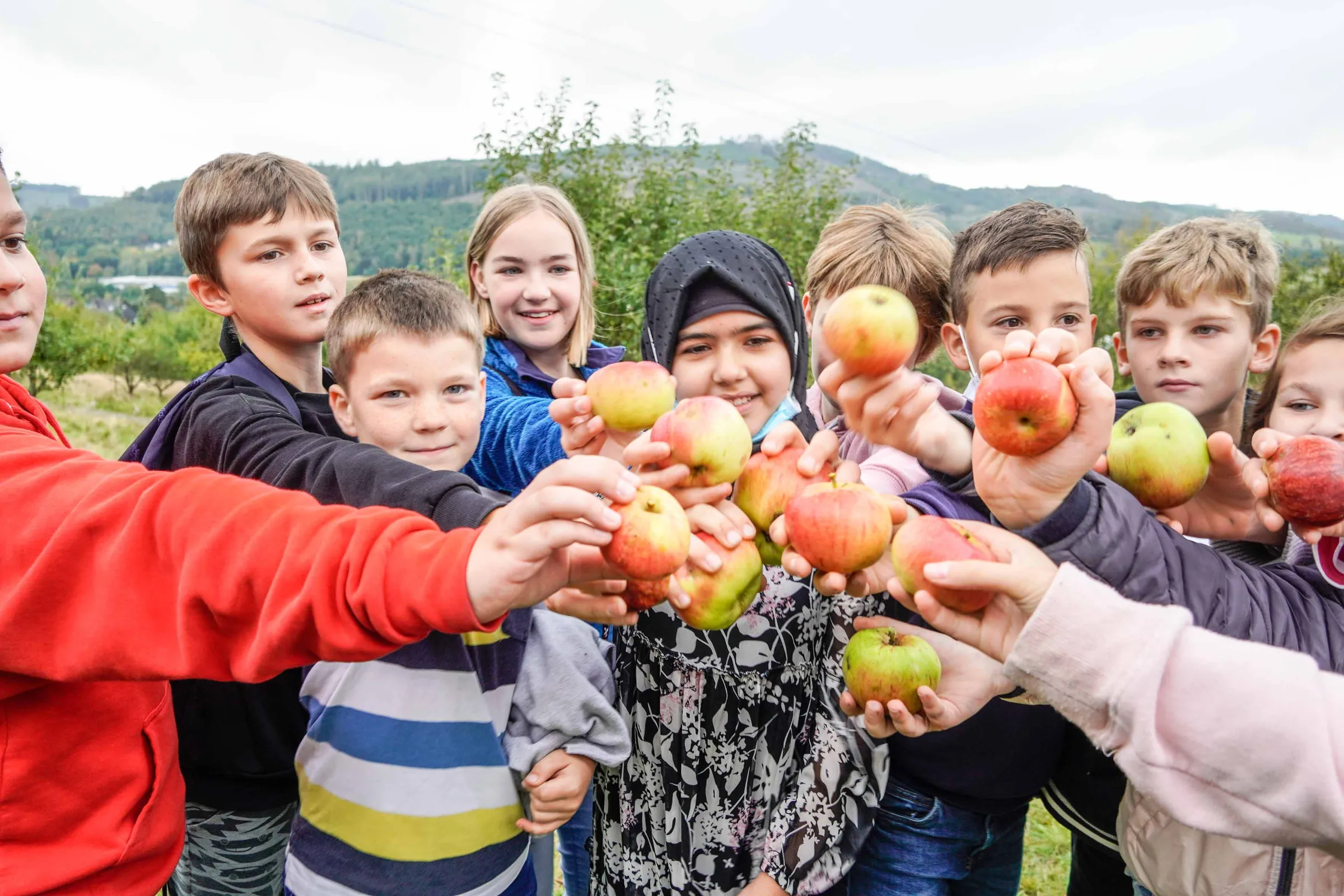
We want to make things happen, inspire confidence and optimism for the future and create greater social cohesion. This is why the Rittal Foundation, a not-for-profit charitable foundation of the Friedhelm Loh Group, was established by Professor Friedhelm Loh, owner and CEO of the Friedhelm Loh Group, in the autumn of 2011 to mark Rittal’s 50th anniversary. Because we want to live up to our responsibilities, set an example, and reduce social hardship. Because we take our duty towards social, community and environmental issues seriously.
The foundation’s sponsorship and funding activities are an essential part of the group’s social commitment; assuming our social responsibility has a long tradition. It is well established and long-standing convention actively practised by the owner and employees, such as the annual charitable donation by staff or special donation campaigns during crises and disasters. For instance, in August 2021, the family-run company donated a total of €930,000 to people hit by the flood disaster in Germany, while the Friedhelm Loh Group collected €600,000 in early 2022 for people suffering due to the war in Ukraine. Through the Rittal Foundation, aid money reached relevant aid organisations quickly and by cutting through red tape, reached those in need in Ukraine.
Rittal Foundation
Since its establishment in 2011 and the start of its funding activities in 2012, the Friedhelm Loh Group’s charitable foundation has been active wherever support is most needed, particularly in Central Hesse. We assume responsibility for and are involved in education, social welfare, culture and science, and environmental protection.
Debora Foundation
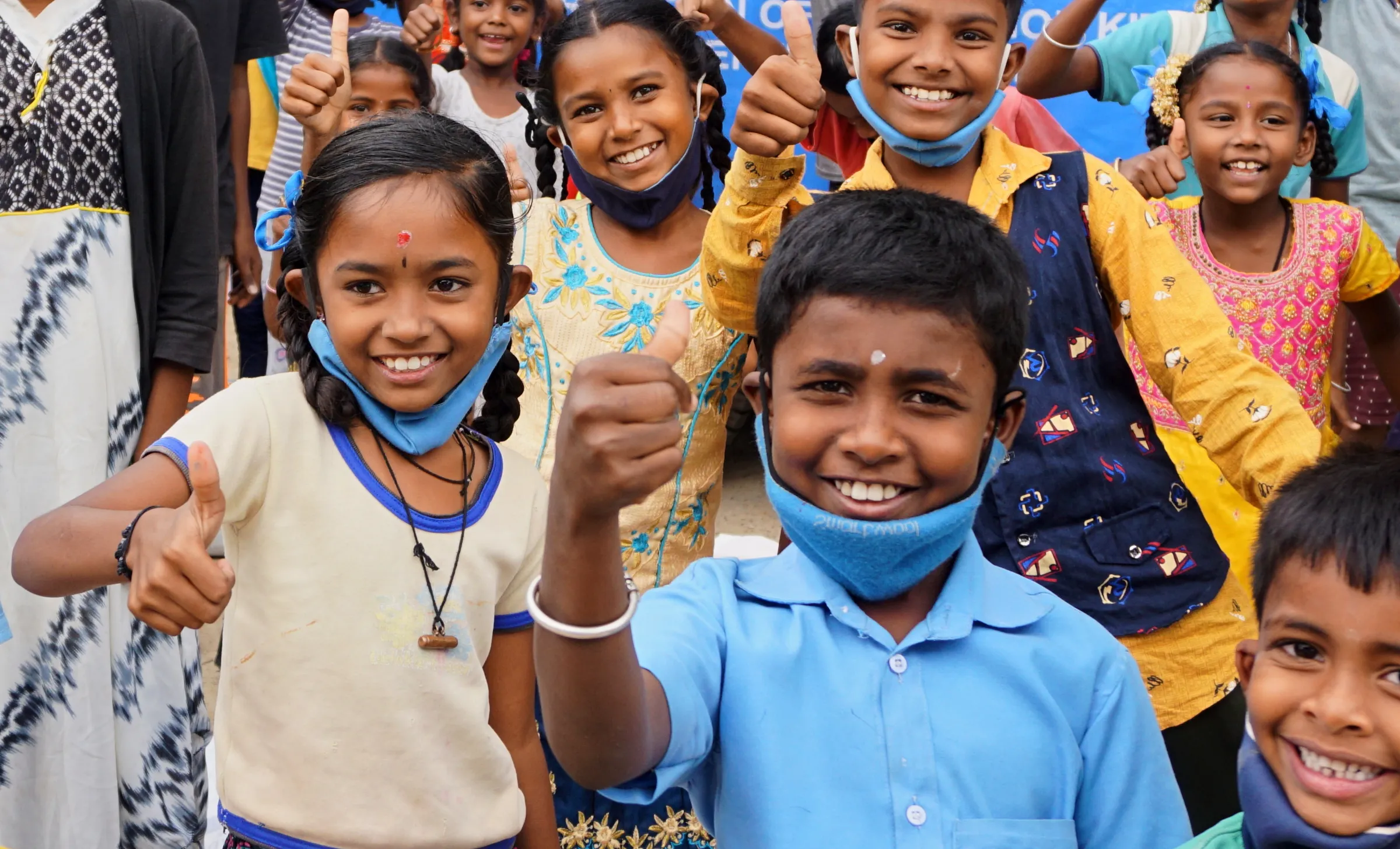
There is a high level of social inequality in the villages surrounding Doddaballapur, a suburb of Bangalore, India. Children there have little in the way of prospects. The work of the Debora Foundation, named after Professor Loh’s wife, aims to change this and, through emergency aid and systematic initiatives for better schooling, as well as vocational training achieves long-term successes on the ground.