
As a family-owned business with a 60 year record as an innovator and leader, we have always been convinced, right from our founding, that economic success, innovation, development and progress also come with responsibility. That’s why we’re doing our part and making our contribution to a greener tomorrow. In addition to supplying our customers with products and services of very highest quality, both energy efficiency and resource conservation are key features of our manufacturing and distribution processes. That’s why we have completely switched our power supply to green electricity at all of our German locations. In addition, seven Friedhelm Loh Group sites are already equipped with photovoltaic systems, with more in the pipeline, to significantly reduce our carbon footprint.

Sustainability
Read moreShaping and improving things
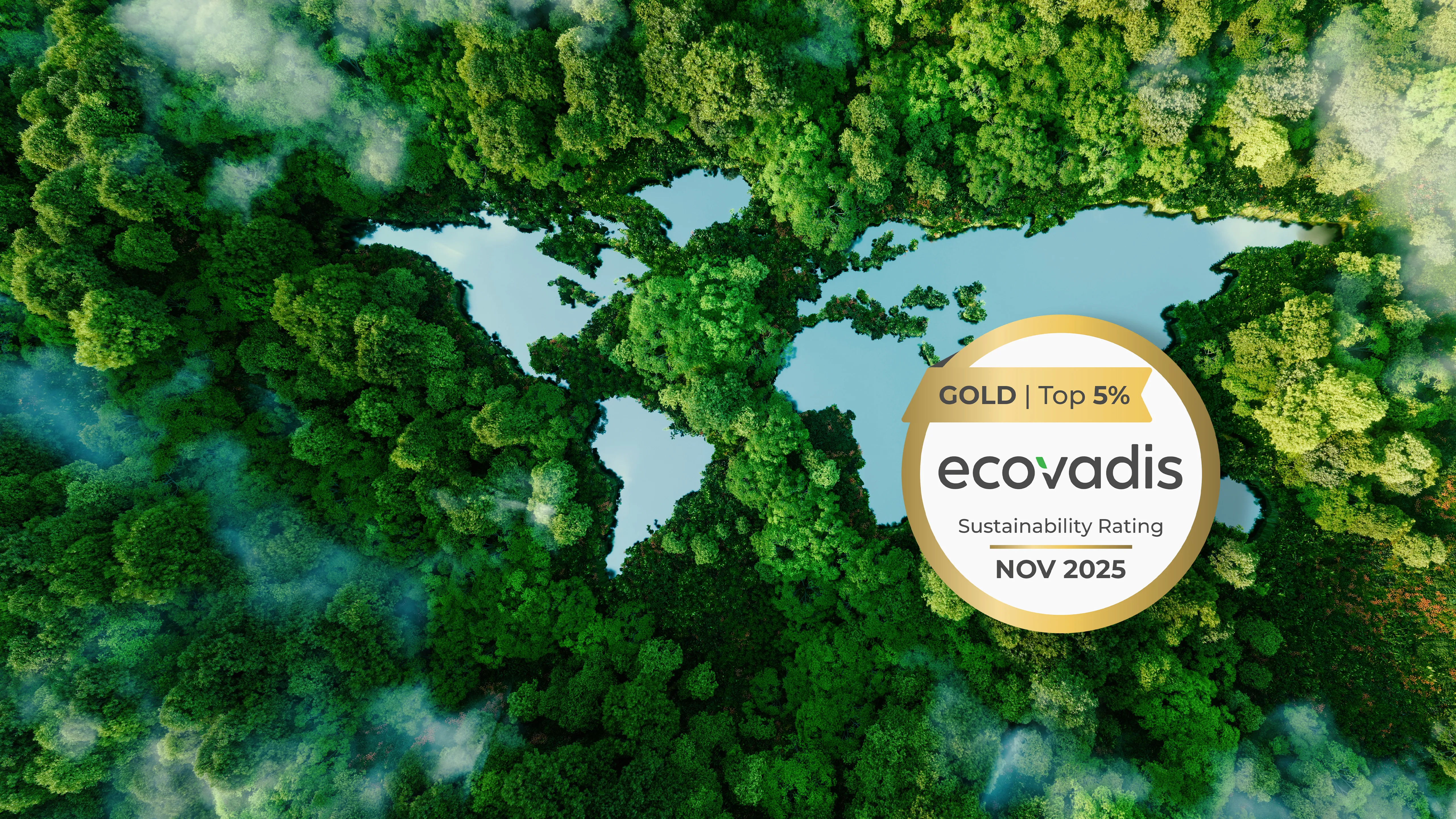
Gold for sustainability at Rittal
This is a strong signal for the future:
Rittal was not only successfully assessed by EcoVadis, but it was also awarded the gold medal for its sustainability, putting the company among the top 5 per cent worldwide.
We take responsibility ...... for our customers
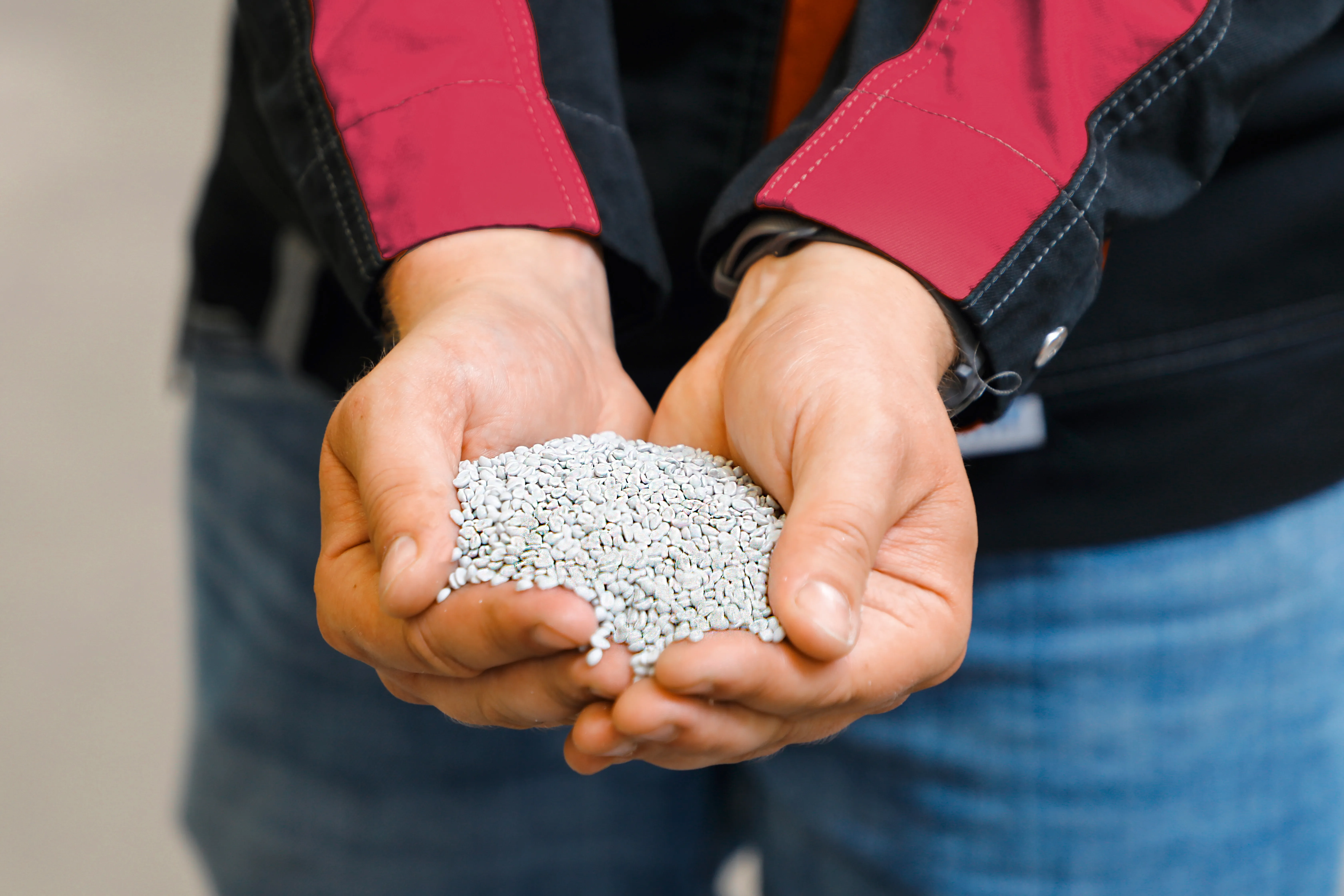
Low CO₂ plastics
LKH is driving forward technical innovations to promote the use of reduced carbon plastics. For example, the company is increasingly using recycled materials and renewable biomass plastics with a carbon footprint 85 per cent lower than that of conventional plastics.
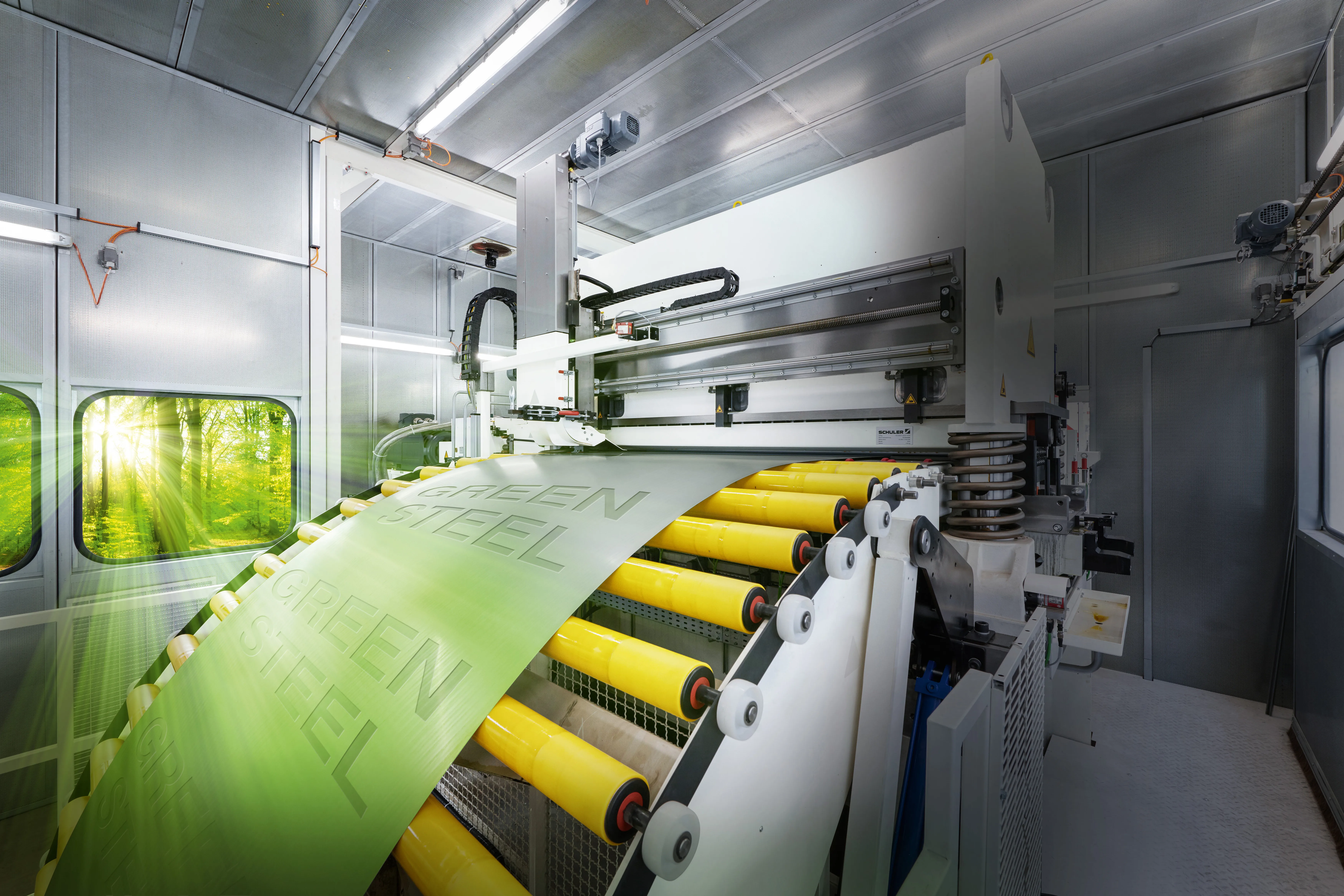
Low CO₂ steel
“Green Steel” is in demand. Stahlo, with its state-of-the-art location in Gera, is a pioneer in this field. The company is an expert partner for the sourcing of low CO₂ steel, has consistently geared its structure and processes towards CO₂-reduction and runs one of the most modern, energy-efficient steel service centres.
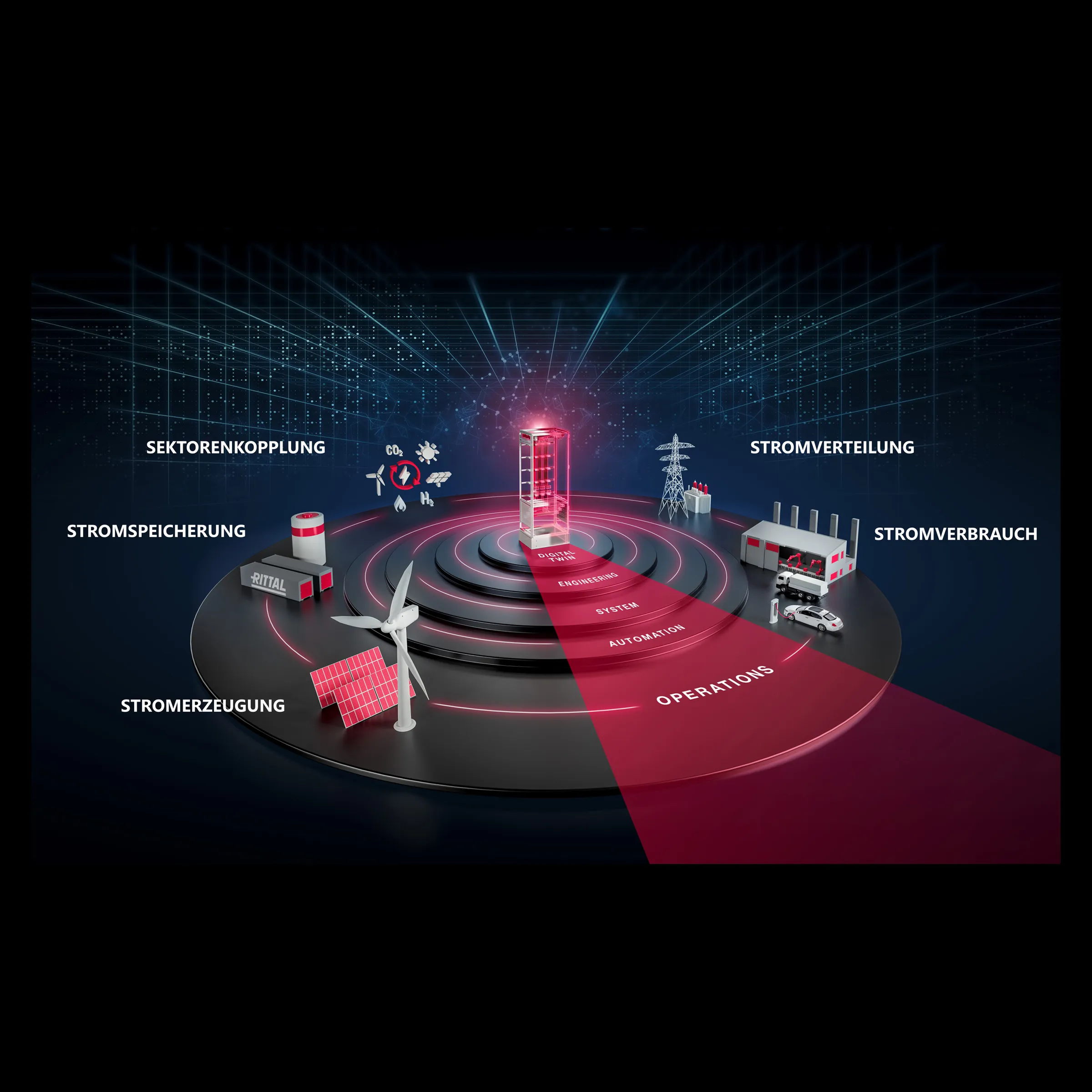
Energy expertise
Energy transition requires infrastructure. And here, Eplan and Rittal’s Energy & Power Solutions Business Unit offer industrial solutions for the efficient design, planning and rapid expansion of energy networks, as well as for e-mobility and energy storage. Rittal’s cooling units also ensure energy savings of up to 90 per cent.
... for cleaner processes
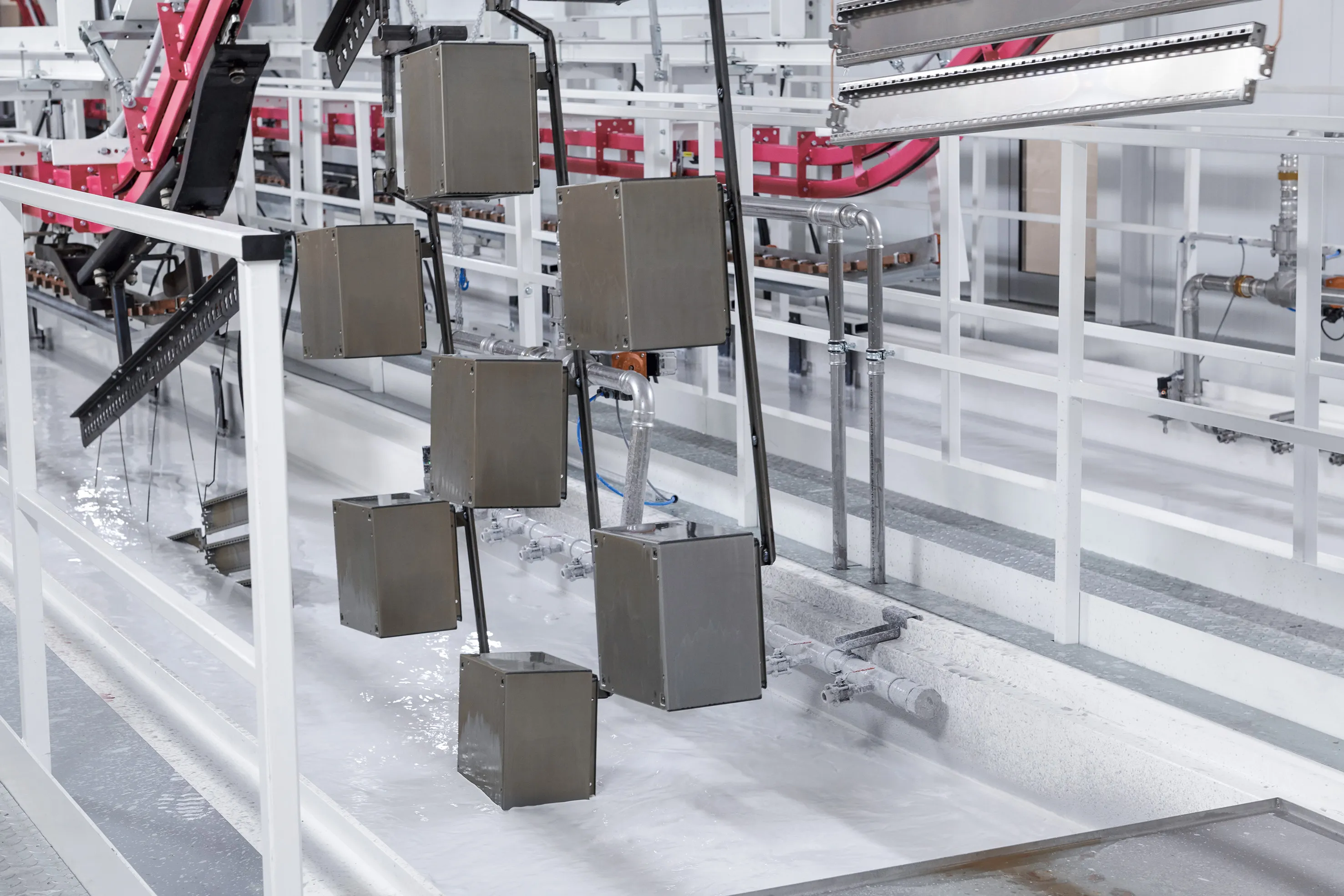
Efficient factory processes
In terms of energy consumption, the companies of the Friedhelm Loh Group not only focus on the efficient management of their own buildings but also their own practices and factory processes. For example, a paint shop at the Rittal plant in Haiger is being converted so that workpieces can be cleaned and degreased at lower temperatures. A new powder coating that dries at a lower temperature will soon be used there. The quality of the results is as high as before, and much less energy is consumed.
Every (micro)gram counts
Sometimes you have to look at things very closely; that is what the team around Oliver Hoffmann, Head of Research and Development for Climate Control at Rittal, is doing. “We are constantly trying to reduce or replace materials so that we can save resources,” he says. Reducing the thickness of zinc coatings and making foils a few thousandths of a millimetre thinner? “Given the quantities involved, that makes a lot of sense.” Reducing the diameter of a cable shunting ring from 5 to 4 mm saves 60 tonnes of CO2 annually.
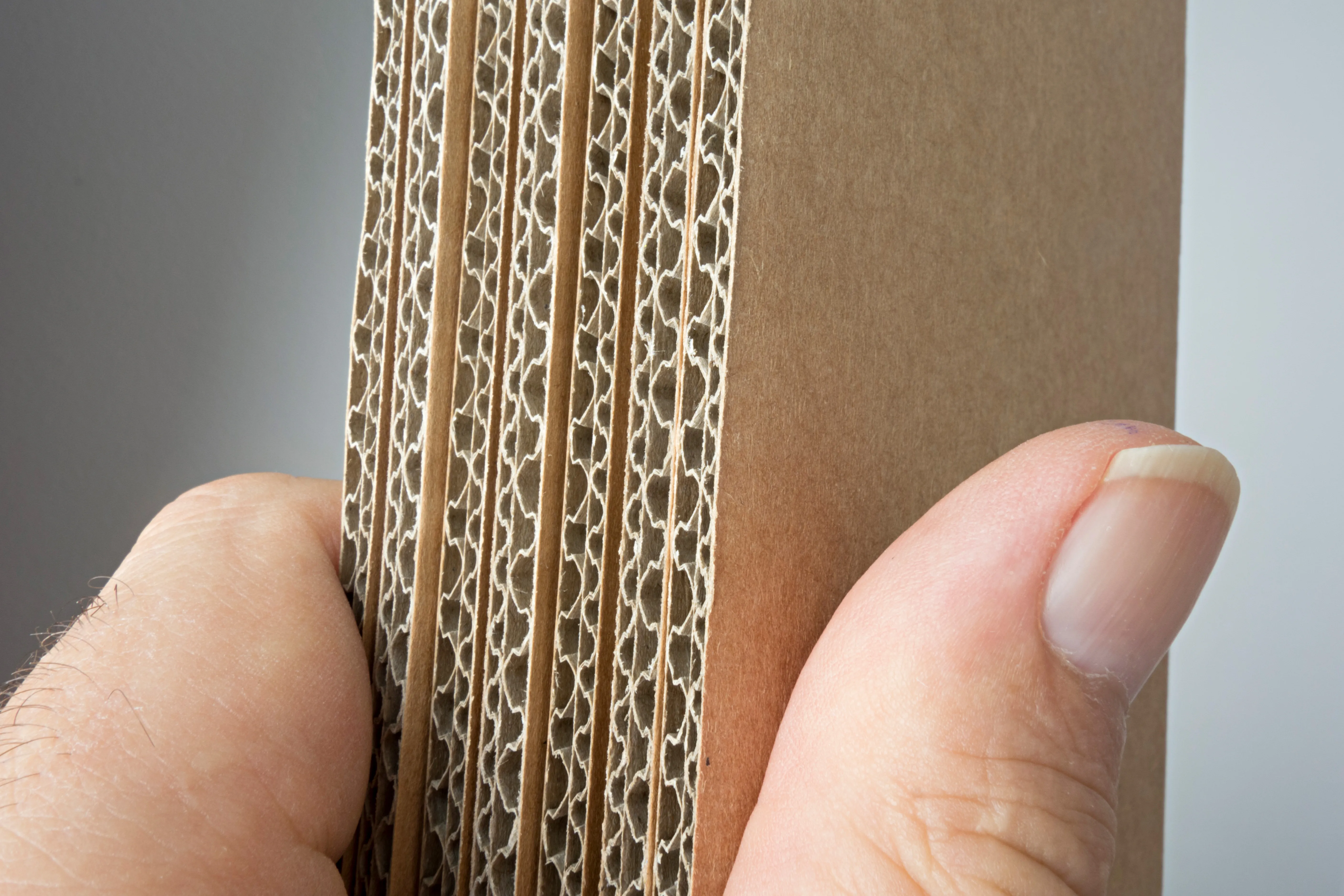
Avoiding waste
There are numerous ways of minimising or even eliminating carbon emissions when designing our products and packaging materials. A team at Rittal’s Haiger plant is collaborating with a foil manufacturer on a recycling system for foil residues. In the future, the foil manufacturer will use this waste to produce new foils. We are also working in other areas to reduce waste, for example, by lowering paint stripping at our paint shops.
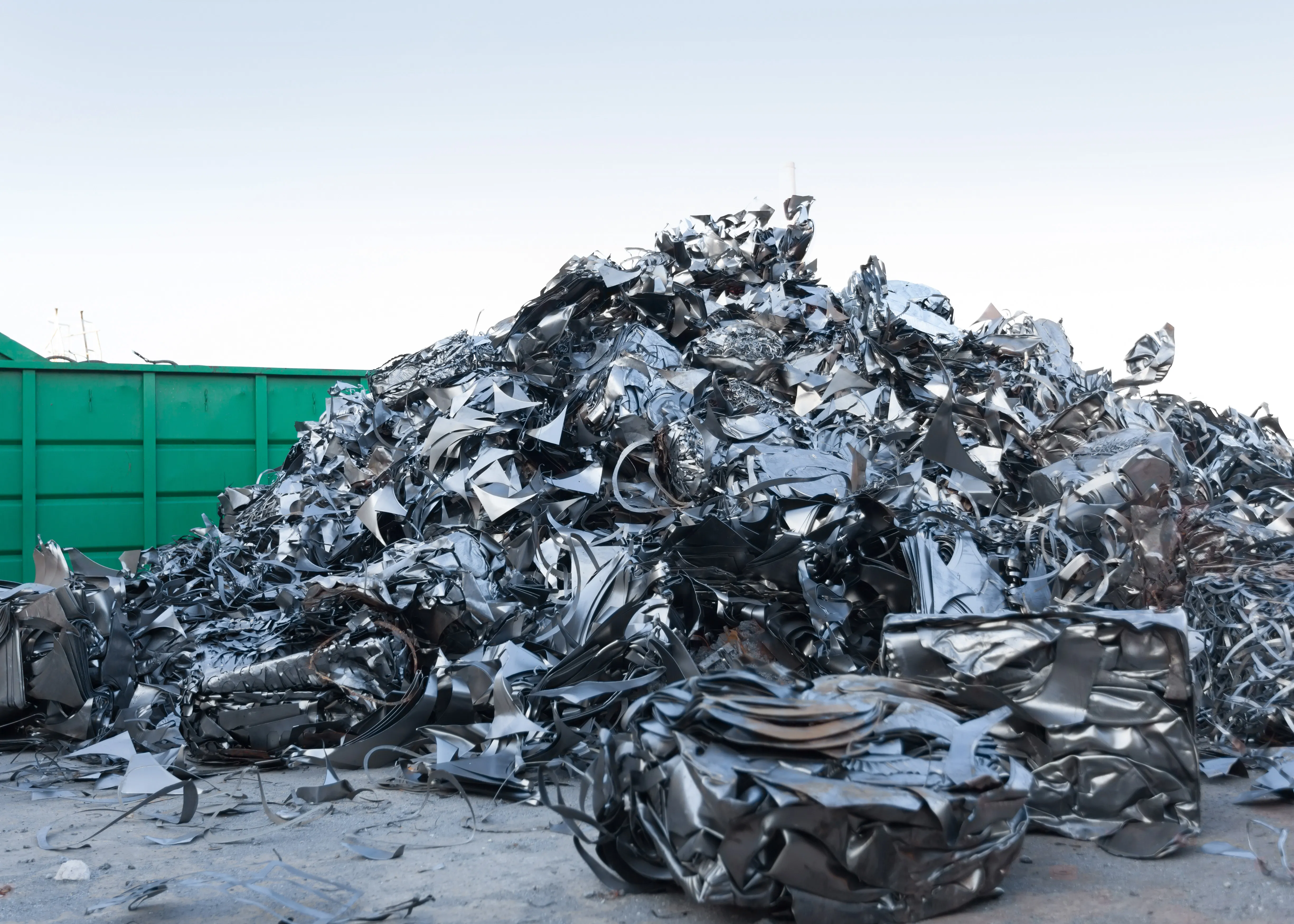
Less scrap metal
Metal is valuable, whether it's sheet metal, aluminium, or stainless steel. The Friedhelm Loh Group is taking a variety of measures to reduce scrap and waste. For example, by optimising the more efficient use of materials, improved protection of materials and products, especially during delivery, reusing waste sheet metal, or using alternative practices to destructive testing methods.
… for greener factories
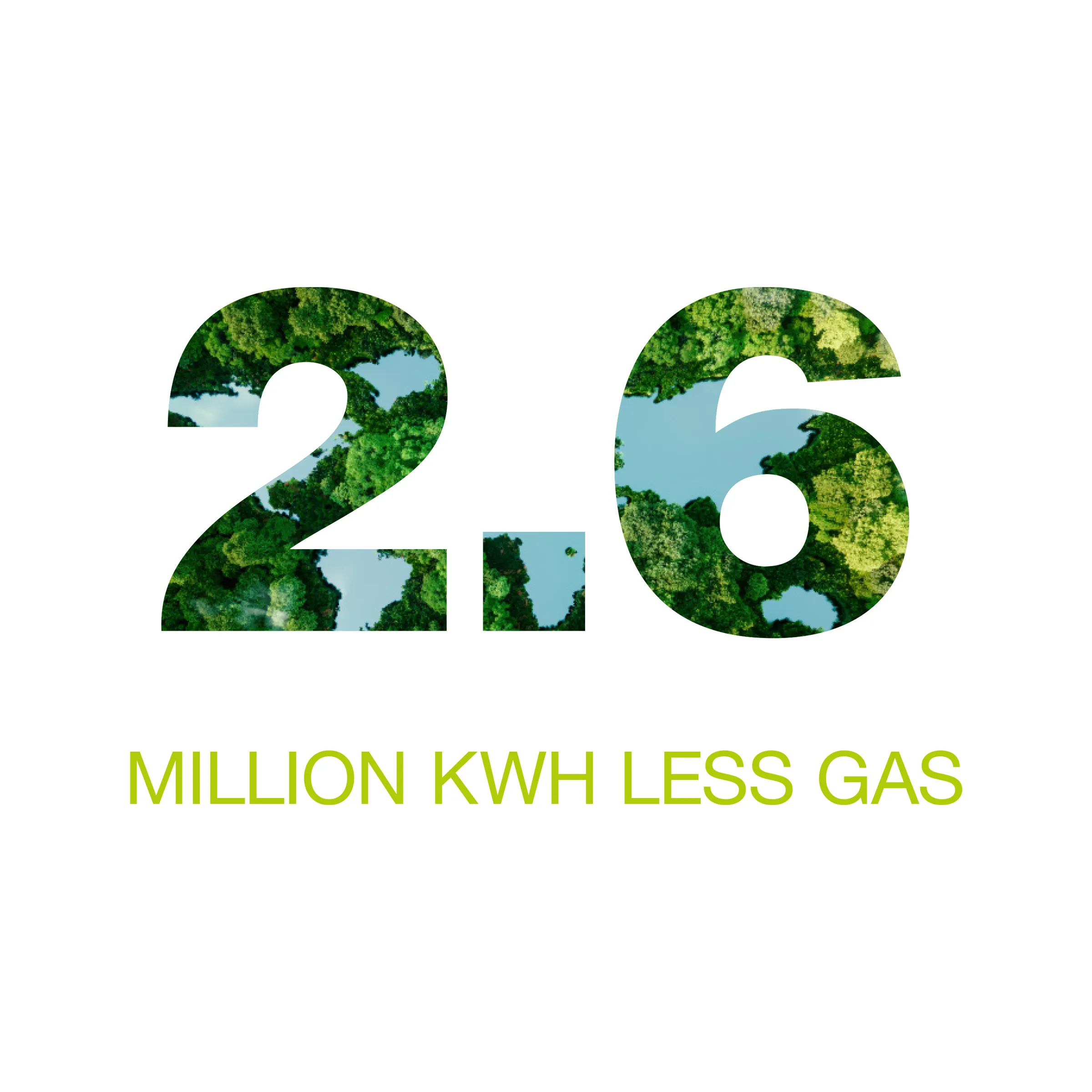
Reduced gas consumption
Before our large enclosures pass through the paint shop at Rittal’s Rittershausen production facility, we degrease them in two large tanks filled with cleaning fluid that is kept at a constant temperature. We have now reduced this temperature from 57 °C to approximately 40 °C. This saves over 2.6 million kilowatt hours of energy per year.
Expanding photovoltaics
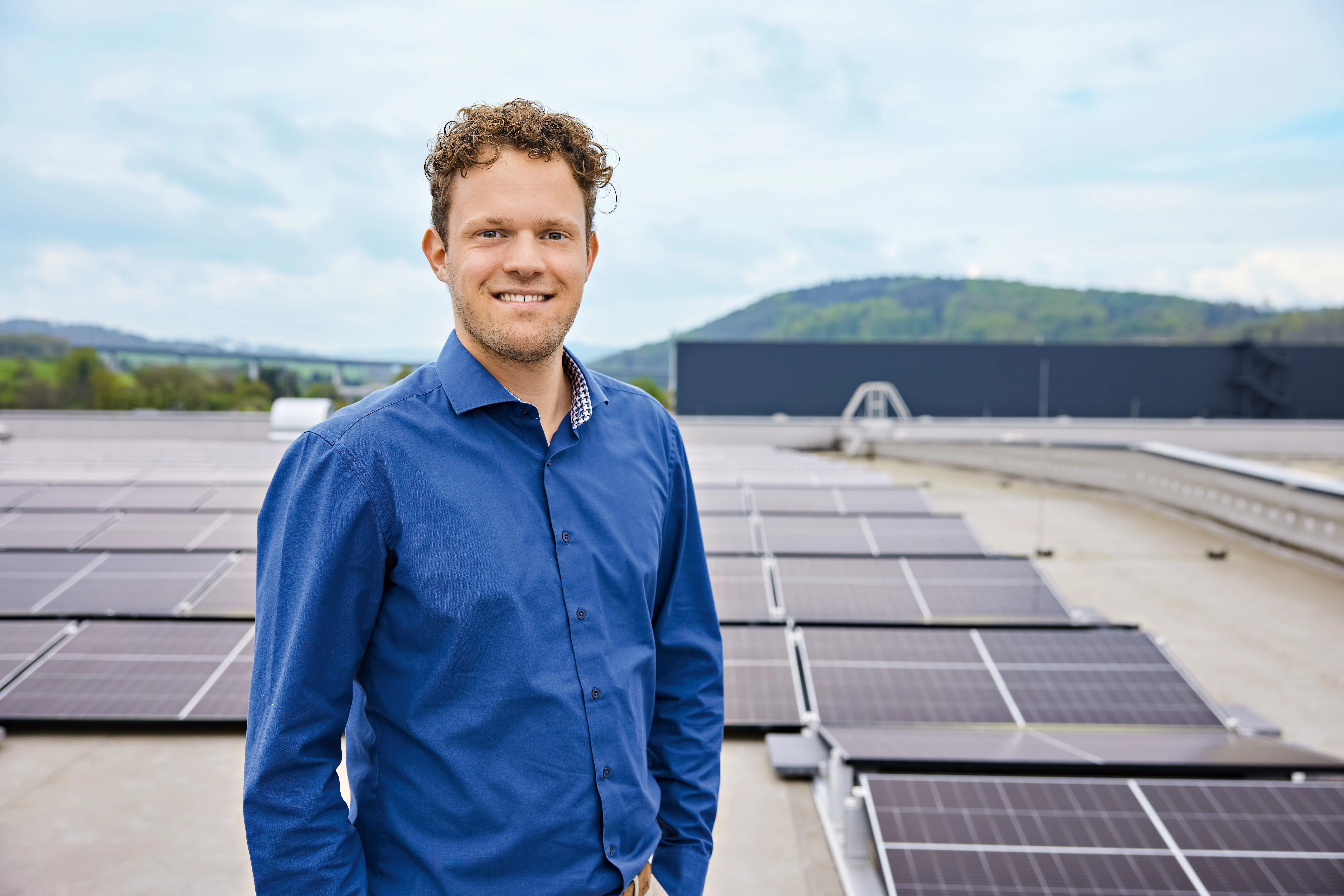
Our own photovoltaic systems are already supplying solar power at some of our locations in Germany, Italy and Austria. More systems will come on-line and be operational soon. These will provide around 2.8 megawatts, almost doubling the overall proportion of self-generated electricity of our total consumption.
Using green electricity
Since there are limits to how much photovoltaics can be expanded — for example, due to space constraints — the purchase of green electricity also plays an important role. For instance, LKH’s Heiligenroth plant obtains all its electricity from hydropower, and in India, a local solar park has been meeting two-thirds of our electricity needs since 2017. By 2030, all our international production sites will be converted to green electricity.